
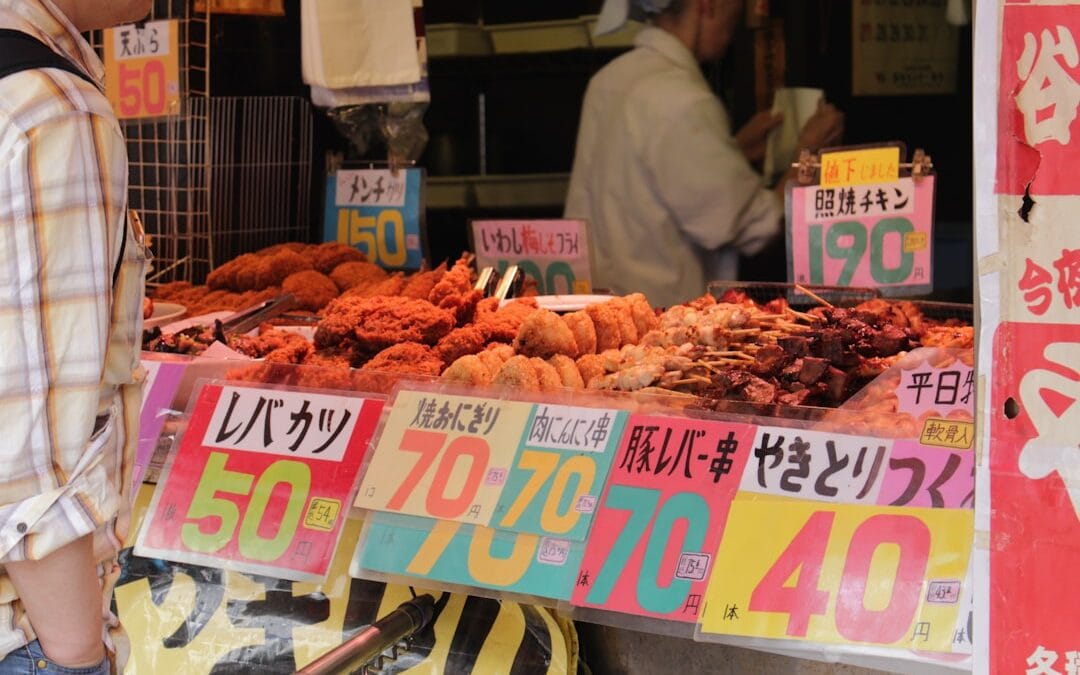
When it comes to food travel, the “best” really boils down to what you’re looking for – authenticity, unique flavors, or a deep dive into local culture. However, some destinations consistently deliver on all fronts, offering experiences that go beyond just eating a good meal. These are places where food is woven into the very fabric of daily life, and where a culinary journey becomes an unforgettable exploration of a region’s heart and soul.
Before we dive into destinations, it’s worth noting that food travel is much more than simply consuming delicious meals. It’s about understanding history, geography, and community through a unique lens. The ingredients, preparation methods, and even the dining rituals all tell a story about a place and its people. This deeper understanding is what genuinely enriches the experience.
Connecting with Local Culture
Food acts as a bridge to local culture. When you’re trying street food from a vendor who’s been using the same recipe for generations, or participating in a cooking class focusing on regional dishes, you’re not just tasting food. You’re engaging with traditions, learning about local customs, and experiencing the authenticity that often gets lost in more generic tourist activities. It’s a hands-on, sensory way to truly connect with a destination.
Understanding Agricultural Practices
Many food-focused trips highlight a region’s agricultural roots. Visiting farms, vineyards, or fishing villages allows you to see where your food comes from and how it’s produced. This can bring a renewed appreciation for ingredients and the labor involved in bringing them to your plate. It can also be an eye-opening experience regarding sustainable practices and local economies.
Italy: A Classic Culinary Journey
Italy often tops the list for food travelers, and for good reason. Its diverse regional cuisines offer a staggering variety of flavors and traditions, ensuring there’s something to tempt every palate. From the hearty, rich dishes of the North to the vibrant, fresh flavors of the South, Italy is a masterclass in culinary excellence.
Northern Italy: Rich & Robust Flavors
The culinary landscape of Northern Italy is characterized by its use of butter, cream, and robust meats. This region is home to iconic dishes and ingredients, each with a long history and strong regional identity.
Emilia-Romagna: The Food Valley
Often dubbed “Italy’s Food Valley,” Emilia-Romagna is a powerhouse of gastronomic delights. It’s the birthplace of Parmigiano Reggiano cheese, balsamic vinegar from Modena, Prosciutto di Parma, and mortadella. A visit here isn’t complete without touring a cheese factory or a prosciutto producer. The pasta here tends to be egg-based and often filled, like tortellini and tagliatelle al ragù. The emphasis is on quality ingredients and age-old techniques.
Piedmont: Truffles & Wine
Piedmont, nestled against the Alps, is famous for its luxurious white truffles, especially from the Alba region. Attending a truffle fair or even participating in a truffle hunt is a memorable experience. The region is also a prominent wine producer, home to Barolo and Barbaresco. Expect rich meat dishes, risotto, and a more French-influenced cuisine due to its proximity.
Southern Italy: Fresh & Vibrant
Moving south, the cuisine becomes lighter and more Mediterranean. Olive oil replaces butter, and fresh vegetables, seafood, and herbs take center stage.
Sicily: A Culinary Melting Pot
Sicily’s history as a crossroads of cultures – Greek, Arab, Norman, Spanish – is beautifully reflected in its food. Expect bold flavors, a heavy reliance on seafood, eggplants, almonds, and citrus. Arancini (fried rice balls), pasta alla Norma (with eggplant), and cannoli are just a few of the iconic dishes. The street food scene in Palermo is particularly vibrant and offers a fantastic immersion into local life.
Campania: Pizza & Produce
Campania is the home of pizza, specifically Neapolitan pizza. Experiencing an authentic Margherita in Naples is a pilgrimage for many food lovers. The region also boasts incredible produce, including San Marzano tomatoes, buffalo mozzarella, and a variety of citrus fruits. Fried street food, like cuoppo, is also a local specialty.
Southeast Asia: Aromatic & Diverse

Southeast Asia offers a completely different, yet equally captivating, culinary adventure. The flavors are complex, often balancing sweet, sour, spicy, and salty notes in a single dish. Street food is a cornerstone of the culinary scene, offering incredible value and a true taste of local life.
Thailand: Balance of Flavors
Thai cuisine is renowned for its intricate balance of flavors, using a wide array of fresh herbs and spices. Cooking classes are popular and highly recommended to understand the fundamentals.
Bangkok: Street Food Paradise
Bangkok is a sensory overload in the best possible way. Its street food scene is legendary, with vendors offering everything from Pad Thai and green curry to mango sticky rice and various noodle soups. Exploring the city’s markets like Chatuchak Weekend Market or Or Tor Kor is an experience in itself, showcasing the sheer bounty of ingredients. Don’t shy away from smaller, lesser-known stalls; they often hold the most authentic flavors.
Chiang Mai: Northern Lanna Cuisine
In the North, Chiang Mai offers a different culinary perspective with its Lanna cuisine. Dishes here tend to be milder and more earthy than their central and southern counterparts. Khao Soi (curry noodle soup) is a must-try, along with Sai Oua (northern Thai sausage) and Gaeng Hung Lay (Burmese-style pork belly curry). The local night bazaars are excellent spots to sample these regional specialties.
Vietnam: Fresh & Fragrant
Vietnamese food is celebrated for its freshness, vibrant herbs, and often lighter preparation. It focuses on highlighting the natural flavors of high-quality ingredients.
Hanoi: Pho & Bún Chả
Hanoi, the capital, is synonymous with Pho, the iconic noodle soup. Each bowl is a carefully constructed symphony of broth, noodles, herbs, and meat. Bún Chả, grilled pork with vermicelli noodles, is another essential experience, often enjoyed at bustling street-side eateries. The old quarter offers countless opportunities for culinary exploration, from egg coffee to various noodle dishes.
Hoi An: Central Vietnamese Specialties
Hoi An, a UNESCO World Heritage site, provides a glimpse into Central Vietnamese cuisine, which is often considered more refined and distinct. Cao Lầu, a noodle dish with pork and greens, and Bánh Vạc (White Rose dumplings) are unique to this town. The cooking classes here are particularly well-regarded, often including market tours to select fresh ingredients.
Latin America: Bold & Flavorful Traditions
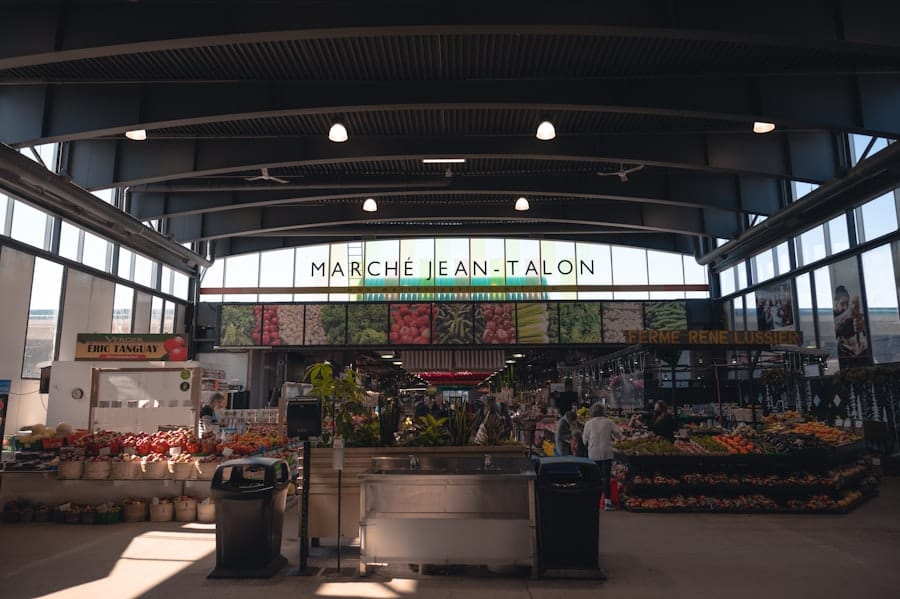
Latin America’s food scene is incredibly diverse, reflecting centuries of indigenous traditions intertwined with European and, in some cases, African influences. Expect bold flavors, regional specialties, and often a strong connection to corn, chiles, and beans.
Mexico: Beyond Tacos & Burritos
Mexican cuisine is a designated UNESCO Intangible Cultural Heritage, a testament to its cultural significance and complexity. While tacos and burritos are popular, the true depth of Mexican food lies in its regional variations and ancient techniques.
Oaxaca: The Soul of Mexican Cuisine
Oaxaca is often considered the culinary capital of Mexico. It’s famous for its seven moles, complex sauces that can take days to prepare, using dozens of ingredients. Unique cheeses like quesillo (Oaxaca cheese), tlayudas (large crispy tortillas with toppings), and various insect-based dishes (like chapulines – grasshoppers) are local specialties. The vibrant markets, like Mercado 20 de Noviembre, are essential for exploring the local food scene. Mezcal, distilled from agave, also plays a significant role in Oaxacan culture.
Puebla: Culinary Finesse
Puebla is another culinary gem, known for its refined dishes and strong Spanish influence. Mole Poblano, probably the most famous mole, originated here, characterized by its inclusion of chocolate. Chiles en Nogada, a seasonal dish of poblano peppers stuffed with fruit and meat, topped with a creamy walnut sauce and pomegranate seeds, represents the colors of the Mexican flag. Culinary schools and historical restaurants provide insights into this rich tradition.
Peru: A Fusion of Flavors
Peruvian cuisine has gained international recognition for its unique blend of indigenous ingredients and immigrant influences (Spanish, African, Chinese, Japanese). It’s a land of superfoods, incredible seafood, and sophisticated culinary techniques.
Lima: A Gastronomic Capital
Lima has firmly established itself as a global culinary capital, boasting several restaurants on “World’s Best” lists. Ceviche, fresh raw fish marinated in citrus juices, is a national dish and an absolute must-try. Lomo Saltado (stir-fried beef) shows the Chinese influence, while Aji de Gallina (creamy chicken stew) is a classic comfort food. Exploring the various mercados (markets) and fine dining establishments provides a comprehensive taste of Lima’s diverse offerings.
Cusco & The Sacred Valley: Andean Staples
In the highlands around Cusco and the Sacred Valley, the focus shifts to ancient Andean ingredients. Potatoes (Peru has thousands of varieties), quinoa, and corn are staples. Pachamanca, a traditional cooking method where food is cooked underground with hot stones, offers a unique cultural and culinary experience. Guinea pig (cuy) is a traditional delicacy, often roasted whole. The markets here are vibrant displays of local produce and traditional snacks.
The Middle East: Spices & Hospitality
| Destination | Top Dish | Local Restaurant |
|---|---|---|
| Italy | Pizza | Pizzeria Da Michele |
| Japan | Sushi | Sukiyabashi Jiro |
| Thailand | Pad Thai | Thip Samai |
| Mexico | Tacos al Pastor | El Huequito |
Middle Eastern cuisine is characterized by its aromatic spices, fresh herbs, legumes, grains, and grilled meats. It’s a cuisine deeply intertwined with hospitality, where sharing food is central to social gatherings.
Lebanon: Mezze & Freshness
Lebanese cuisine is often considered one of the healthiest and most vibrant in the Middle East. It emphasizes fresh ingredients, olive oil, and a wide array of vegetarian and meat dishes.
Beirut: A Culinary Revival
Beirut offers a dynamic food scene, blending traditional flavors with modern interpretations. The cornerstone of Lebanese dining is mezze, a selection of small dishes meant for sharing, including hummus, baba ghanoush, tabbouleh, fattoush, and various pastries. Grilled meats, particularly shish tawook (chicken skewers) and kafta (ground meat kebabs), are also popular. Exploring the bustling markets and beachfront promenade provides endless culinary opportunities.
Byblos: Coastal Delights
The ancient city of Byblos offers a taste of coastal Lebanese cuisine, with a strong emphasis on fresh seafood. Expect perfectly grilled fish, marinated simply to highlight its natural flavor. Quaint seaside restaurants provide a beautiful setting for enjoying these fresh catches, often accompanied by traditional mezze and local wines.
Turkey: A Rich Culinary Heritage
Turkish cuisine is a magnificent blend of Central Asian, Middle Eastern, and Mediterranean influences, reflecting its historical position at the crossroads of empires. It’s often hearty, flavorful, and incredibly diverse.
Istanbul: Street Food & Ottoman Delicacies
Istanbul’s culinary scene is extraordinarily rich, ranging from bustling street food to sophisticated Ottoman-era dishes. Don’t miss simit (sesame-crusted bread rings), döner kebap, lahmacun (Turkish pizza), and various böreks (savory pastries). The Grand Bazaar and Spice Bazaar offer a sensory overload of spices, sweets, and local products. A traditional Turkish breakfast is an elaborate affair, while mezes and raki are enjoyed in the evenings.
Gaziantep: Southeastern Spice Capital
Often lauded as the gastronomic capital of Turkey, Gaziantep in the southeast is a UNESCO City of Gastronomy. It’s famous for its rich, spicy dishes, particularly lamb-based kebabs, and an incredible array of baklava and other desserts made with pistachios. The focus here is on slow-cooked dishes and complex flavor profiles. Exploring the local markets and sweet shops is a highlight.
East Asia: Precision & Tradition
East Asian cuisine is characterized by its meticulous preparation, emphasis on fresh ingredients, and often a balance of textures and flavors. Each country offers a distinct culinary identity.
Japan: Artistry & Simplicity
Japanese cuisine is a masterclass in subtlety, emphasizing the natural flavors of ingredients and presenting food with an artistic touch. Freshness and seasonality are paramount.
Tokyo: From Michelin Stars to Street Stalls
Tokyo is a global culinary powerhouse, home to more Michelin-starred restaurants than any other city. However, its true charm also lies in its everyday eateries, from ramen shops and sushi counters to izakayas (gastropubs) and vibrant food markets. Tsukiji Outer Market (and Toyosu for the wholesale fish market experience) remains a must-visit for seafood lovers. Exploring the various neighborhoods, each with its own culinary specialty, is endlessly rewarding.
Osaka: Japan’s Kitchen
Osaka is often called “Japan’s kitchen” or “the nation’s pantry,” renowned for its vibrant food scene and delicious street food. Takoyaki (octopus balls) and Okonomiyaki (savory pancakes) are iconic here. The Dotonbori district, with its flashy neon signs and endless food stalls, is a fantastic place to sample these local favorites. The food here is generally more hearty and flavorful than in Tokyo, often emphasizing umami.
South Korea: Bold & Fermented
South Korean cuisine is known for its bold flavors, generous use of garlic and chili, and the prominence of fermented foods like kimchi. It’s hearty, comforting, and deeply rooted in shared dining experiences.
Seoul: BBQ & Kimchi Galore
Seoul offers an exciting culinary landscape, blending traditional flavors with modern trends. Korean barbecue is a quintessential experience, where various cuts of meat are grilled at the table. Bibimbap (mixed rice with vegetables and meat), bulgogi (marinated beef), and an endless array of banchan (side dishes) accompany most meals. Exploring the Gwangjang Market or Namdaemun Market offers a deep dive into local snacks and ingredients. Don’t miss the opportunity to try various kinds of kimchi, showcasing the incredible diversity of fermented vegetables.
Jeonju: Bibimbap & Hanok Villages
Jeonju is recognized as a UNESCO City of Gastronomy, particularly famous for its unique style of bibimbap. The city’s traditional Hanok village provides a beautiful setting to enjoy local specialties, including various traditional liquors and hearty stews. A visit here is a blend of cultural immersion and culinary discovery, allowing for an appreciation of the regional nuances of Korean food.
In essence, the best food travel destinations are those which offer not just excellent food, but an accompanying narrative, a sense of place, and an opportunity to connect with the traditions that make a cuisine truly special.