

Embarking on a culinary journey through travel isn’t just about trying new foods; it’s about understanding cultures, histories, and the very essence of a place through its gastronomy. While many articles might focus on the “best dishes” to try, this exploration delves into the practicalities of how food and travel intertwine, offering a more nuanced perspective on what it means to truly experience a destination through its flavors. It’s about gaining a deeper appreciation for the culinary landscape, moving beyond mere consumption to genuine engagement.
To truly appreciate a region’s cuisine, it helps to understand the underlying ecosystem that sustains it. This isn’t just about what’s on your plate, but where it came from, how it was grown or raised, and the journey it took to get there.
The Role of Geography and Climate
The very foundation of any regional cuisine is dictated by its geography and climate. What thrives naturally in a particular environment often becomes a staple ingredient.
- Impact on Primary Ingredients: Consider the abundance of seafood in coastal regions or the reliance on root vegetables in colder climates. The fertile plains of the American Midwest naturally lend themselves to grain production, impacting everything from bread to feed for livestock. Conversely, the volcanic soils of Italy’s Mount Vesuvius contribute to the unique flavor profile of San Marzano tomatoes, a cornerstone of Neapolitan pizza. In Southeast Asia, the monsoon climate is ideal for rice cultivation, making it the bedrock of countless meals. Conversely, the dry, arid landscapes of the Middle East necessitate a reliance on grains like wheat and barley, alongside resilient legumes and expertly preserved fruits. This direct link between the environment and the predominant ingredients is a fundamental aspect of local food culture.
- Influence on Cooking Techniques: Climate also influences cooking methods. In hot climates, lighter, quicker cooking methods and preservation techniques like drying and pickling are prevalent. Think of the fresh ceviche in Peru, where lime “cooks” the seafood without heat. In colder regions, slow-cooked stews and hearty roasts are more common, providing warmth and sustenance. The open-air markets of Morocco showcase ingredients that thrive in a dry climate, leading to tagine cooking that keeps food moist and flavorful with minimal water. The need to preserve during harsh winters in Eastern Europe led to extensive pickling and fermentation, techniques that have become integral to their culinary identity.
- Seasonal Availability and Diversity: A strong connection to local food systems also means a greater awareness of seasonal availability. This isn’t just about freshness; it’s about understanding the natural rhythms of agriculture and how they shape the menu throughout the year. Traveling during different seasons can offer entirely different culinary experiences, as the produce and ingredients available will inevitably shift. For instance, traveling to Japan in spring might expose you to bamboo shoots and delicate wild greens, while autumn brings an abundance of mushrooms and root vegetables. This seasonal variability is less apparent in highly globalized food systems but remains crucial in many traditional food cultures.
Market Experiences and Local Sourcing
Visiting local markets is an invaluable part of understanding a food ecosystem. It’s where you can see, smell, and even taste the raw ingredients that form the basis of the local cuisine.
- Farmers’ Markets vs. Supermarkets: The distinction between a farmers’ market and a large supermarket is profound. Farmers’ markets offer direct interaction with producers, providing insights into the origins of food and farming practices. Supermarkets, while convenient, often obscure these connections. Engaging with local vendors, asking questions about their produce, and observing the variety of ingredients available offers a more authentic glimpse into the regional diet. In the Oaxaca region of Mexico, the sheer variety of chilies available at local markets speaks volumes about the complexity and depth of their culinary traditions. Comparing this to the limited selection often found in international supermarkets highlights the value of direct market interaction.
- Engagement with Vendors: Don’t hesitate to engage with vendors. A friendly question about a particular vegetable or spice can lead to fascinating conversations about local culinary traditions, usage, and even family recipes. Many vendors are proud of their produce and eager to share their knowledge. This interaction is not just about gaining information; it’s about building a connection to the local community through their food. In Italy, a simple inquiry about a specific type of tomato can lead to a passionate explanation of its history, preferred uses, and even a recommendation for a family-run trattoria known for its sauce.
- Identifying Regional Specialties: Markets are excellent places to identify regional specialties that might not be widely available elsewhere. These unique ingredients often form the backbone of iconic local dishes. For example, specific varieties of cheese, cured meats, or even particular types of bread unique to a town or province are often best found at local markets. The diverse array of olives in a Greek market, each with a distinct flavor profile and intended use, offers a far richer experience than the pre-packaged olives found in a typical grocery store.
Navigating Local Eateries and Food Habits
Beyond markets, experiencing local eateries and observing dining habits provides critical insights into a culture’s relationship with food.
Beyond Tourist Traps
While well-known restaurants have their place, deliberately seeking out places favored by locals will often lead to more authentic and rewarding culinary experiences.
- Subtle Clues for Authentic Dining: Look for subtle clues: a crowded establishment with a menu only in the local language, a line of locals waiting patiently, or a simple, unassuming decor can indicate a genuine local favorite. Avoid places with overly aggressive touts or menus featuring generic “international” cuisine. In Lisbon, if you see a small, unassuming tasca packed with older locals during lunchtime, it’s a good bet for traditional, home-style Portuguese cooking. Conversely, a restaurant with glossy, translated menus and photos of dishes might cater more to a transient tourist crowd.
- Street Food Exploration: Street food is often the most accessible and vibrant expression of a local cuisine. It’s typically prepared fresh, in front of you, and offers a low-cost, high-flavor introduction to regional specialties. Don’t be afraid to try street vendors, but observe their hygiene practices. A busy stall with a constant turnover of food usually means freshness. In Thailand, the street food scene is an integral part of daily life, offering everything from Pad Thai to grilled skewers and fresh fruit smoothies. The rapid preparation and high volume ensure freshness, making it a safe and delicious option.
- Observing Local Dining Etiquette: Take a moment to observe how locals dine. Are meals eaten quickly or slowly? Is it common to share dishes or order individually? Are there specific rituals or customs associated with eating? Understanding these conventions, even subtle ones, shows respect and enhances your experience. In many Asian cultures, it’s customary to share dishes, while in some Western cultures, individual portions are the norm. Knowing whether to slurp noodles in Japan (a sign of enjoyment) or to refrain from doing so in a formal setting shows cultural awareness.
Engaging with Local Cuisine
Simply eating isn’t enough; engaging with the food provides a richer understanding.
- Asking Questions and Showing Interest: Don’t be afraid to ask your server or vendor about the dishes, their ingredients, or how they are prepared. Expressing genuine interest can often open doors to recommendations or even insights into the history of a dish. Most people are proud of their food and appreciate curiosity. In France, inquiring about the specific region a cheese comes from can spark a delightful conversation about terroir and production methods.
- Trying Unfamiliar Ingredients: Be adventurous. Step outside your comfort zone and try dishes with ingredients you might not recognise. This is often where the most unique and memorable culinary discoveries are made. That unusual-looking tuber or peculiar spice might be the key to a transformative flavor experience. In Peru, trying a dish with aji amarillo (yellow chili pepper) might introduce you to a foundational flavor profile that underpins much of Peruvian cuisine.
- Understanding Flavor Profiles and Spices: Pay attention to the predominant flavor profiles and spices used in a region. Are they sweet, sour, spicy, or savory? What herbs and spices are consistently featured? This helps in understanding the culinary identity of a place. The use of cumin, coriander, and turmeric in Indian food, for instance, creates a distinct flavor profile that is immediately recognizable. Similarly, the balance of sweet, sour, salty, and spicy in Thai cuisine is a hallmark of its culinary artistry.
Culinary Learning Beyond the Plate

Expanding your culinary understanding can go beyond just eating. Participating actively in the process offers deeper insights.
Cooking Classes and Workshops
Hands-on experiences are invaluable for understanding the intricacies of a cuisine.
- Practical Skill Acquisition: Cooking classes offer a practical way to learn traditional recipes and techniques. You’re not just eating the food; you’re actively engaging in its creation, which provides a deeper appreciation for the effort and skill involved. Learning to hand-roll pasta in Italy or prepare a tagine in Morocco offers a tangible connection to the culinary heritage. This goes beyond observational learning; it’s about muscle memory and understanding the tactile nature of food preparation.
- Ingredient Sourcing and Preparation: Many cooking classes begin with a market visit, where participants learn how to select fresh, seasonal ingredients. This teaches invaluable lessons about quality produce and how to identify it. The demonstration of ingredient preparation, from chopping techniques to spice grinding, also reveals traditional methods that might not be used in modern kitchens. In Vietnam, a cooking class might involve an explanation of how to select the freshest herbs and how to properly cut them to release their aromatic oils.
- Cultural Context of Dishes: Good cooking instructors often go beyond just the recipe, sharing stories about the cultural significance of the dishes, their origins, and how they fit into the broader culinary landscape of the region. This contextual information enriches the entire experience. Learning to make a paella in Valencia might come with stories about its origins as a farmer’s meal cooked over an open fire, shedding light on its historical and social significance.
Food Tours and Guided Walks
For a more structured exploration, food tours can be an efficient way to sample a variety of offerings.
- Curated Culinary Experiences: Food tours are curated experiences led by local experts who can guide you to hidden gems and explain the historical and cultural significance of the food you’re sampling. They often provide access to establishments you might not find on your own. A tour through Rome’s Trastevere neighborhood might introduce you to a baker making traditional Roman pizza “al taglio” and a deli specializing in cured meats unique to the Lazio region.
- Historical and Cultural Context: Many food tours weave in historical and cultural narratives, explaining how events or traditions have shaped the local food scene. This broadens your understanding beyond just taste. A tour focusing on Jewish delis in New York City, for example, could explain the waves of immigration that brought these culinary traditions to the city and their evolution over time.
- Sampling Diverse Offerings: Food tours are excellent for sampling a wide range of dishes in a short amount of time without over-ordering. This allows you to taste a broader spectrum of local specialties, often from different vendors or restaurants. Instead of committing to a single restaurant for a large meal, a food tour allows for smaller portions at multiple stops, maximizing your exposure to diverse flavors.
Connecting Food to Culture and Identity
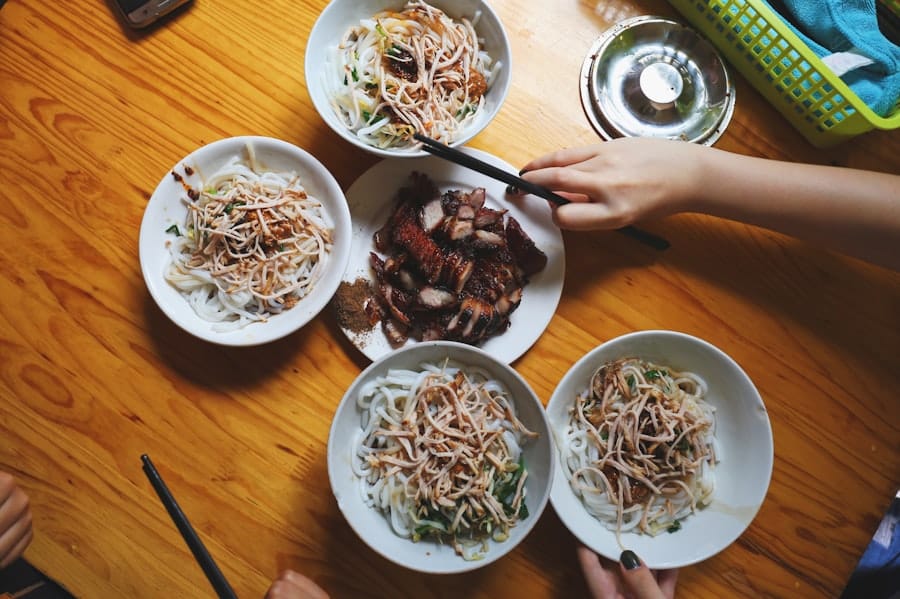
Food is rarely just sustenance; it’s deeply interwoven with a region’s culture, history, and identity.
Food as a Narrative of History
The culinary traditions of a place often tell a story about its past, its migrations, conquests, and influences.
- Colonial Influences and Hybrid Cuisines: Colonialism, trade routes, and migration have profoundly shaped many cuisines, leading to fascinating hybrid dishes. The fusion of Indigenous, African, and European flavors in many Latin American cuisines, for example, tells a complex historical narrative. Brazilian feijoada, a hearty bean stew, is a direct result of enslaved Africans adapting ingredients available to them and combining them with Portuguese culinary traditions. Similarly, the influence of French techniques on Vietnamese cuisine led to banh mi, a perfect example of culinary fusion.
- Religious and Festival Foods: Specific dishes are often tied to religious practices, festivals, or significant life events. Understanding these connections provides insight into the cultural and spiritual fabric of a community. Diwali sweets in India, Easter breads in Eastern Europe, or the breaking of the fast during Ramadan with specific dishes all highlight the deep connection between food and spirituality. These dishes are not just food; they are symbols and expressions of faith and community.
- Resilience and Adaptation: Food can also be a testament to a community’s resilience, reflecting how people have adapted to scarcity, environmental changes, or political shifts. The ability to make delicious meals from humble ingredients often speaks volumes about resourceful ingenuity. The creative use of less expensive cuts of meat and offal in many traditional cuisines speaks to a history of making the most of available resources, transforming them into flavorful dishes through skillful preparation.
The Social and Communal Aspect of Eating
Eating is often a communal activity, reflecting social structures and values.
- Family Meals and Gatherings: Observing or, if possible, participating in family meals or community gatherings offers unique insights into the social role of food. Food often serves as a focal point for connection, celebration, and the sharing of traditions. The Sunday roast in the UK, the multi-course family dinner in Italy, or the communal hot pots in East Asia all underscore the importance of shared meals in building and maintaining social bonds.
- Hospitality and Sharing: Many cultures express hospitality through food. Being offered food, even a simple snack, is often a gesture of welcome and friendship. Accepting graciously is a way to show respect. In the Middle East, offering strong coffee and dates to a guest is a customary sign of hospitality, and refusing it can sometimes be seen as impolite.
- Food as an Expression of Identity: For many, the food they eat is deeply intertwined with their personal and national identity. It’s a source of pride, a connection to heritage, and a way to differentiate themselves from others. To taste the food of a place is, in a way, to taste its identity. The strong regional identities in Italy, where pasta shapes, sauces, and ingredients vary widely from north to south, illustrate how food reinforces local identity and loyalty.
Practical Tips for Culinary Exploration
| Food Item | Price | Calories |
|---|---|---|
| Sandwich | 5.99 | 450 |
| Pizza | 8.99 | 600 |
| Burger | 6.50 | 700 |
| Salad | 7.25 | 300 |
To make your culinary adventures more rewarding, a few practical considerations can make a significant difference.
Research and Preparation
A little planning can enhance your food-focused travel significantly.
- Pre-Travel Research: Before you go, research local culinary specialties, traditional dishes, and dining customs. This provides a valuable framework for your explorations and helps you identify must-try foods. Websites, cookbooks, and travel blogs can be excellent resources. Knowing that mole poblano is a signature dish of Puebla, Mexico, allows you to actively seek it out and appreciate its complex flavors.
- Dietary Restrictions and Communication: If you have dietary restrictions or allergies, learn key phrases in the local language to communicate them effectively. This ensures your safety and enables you to enjoy local cuisine without worry. Having a translated card explaining your allergy can be incredibly helpful in a non-English speaking country.
- Local Etiquette and Customs: Familiarize yourself with basic dining etiquette. This shows respect for local customs and avoids unintentional faux pas. Knowing whether it’s customary to leave a tip, how to use chopsticks, or whether it’s polite to finish everything on your plate can make a big difference in your dining experience. In some cultures, leaving a little food on your plate signifies that you’ve had enough, while in others, it’s considered wasteful.
Engage Your Senses and Be Mindful
Eating is a multi-sensory experience; engage all of them.
- Beyond Taste – Smell, Sight, Texture: Don’t just focus on taste. Pay attention to the aromas, the visual presentation of the food, and the textures. These elements contribute significantly to the overall culinary experience. The smoky aroma from a street grill, the vibrant colors of fresh produce in a market, or the satisfying crunch of a perfectly fried snack all enhance the enjoyment.
- Mindful Eating and Appreciation: Slow down and savor your meals. Avoid rushing. Be present and appreciate the flavors, the preparation, and the company. Mindful eating allows for a deeper connection to the food and the culture. This isn’t about just fueling your body; it’s about experiencing the moment.
- Documenting Your Discoveries: Take notes, photos, or even sketch your meals. This helps you remember your culinary discoveries and can be a valuable record of your travels. A simple journal entry describing the flavors of a dish or the atmosphere of a market can evoke strong memories long after the trip.
Experimentation and Flexibility
While planning is good, leave room for spontaneity.
- Stepping Outside the Comfort Zone: Purposely try something you wouldn’t normally consider. The most memorable culinary experiences often come from unexpected places or dishes. That strange-looking fruit or unfamiliar cut of meat might become a new favorite.
- Embracing Serendipitous Discoveries: Some of the best food experiences are stumbled upon by accident: a small, unassuming restaurant in a back alley, a street vendor you wouldn’t have found through research. Be open to these serendipitous moments. Wandering off the main thoroughfare and seeing where your curiosity takes you can sometimes lead to the most authentic and memorable dining experiences.
- Adapting to Local Schedules: Be aware that meal times and dining habits can vary significantly between cultures. Lunch might be later in Southern Europe, or dinner might be earlier in Northern Europe. Adapting to these schedules can enhance your dining experience and helps you integrate better with local rhythms. In Spain, dinner can famously start as late as 9 or 10 PM, a significant shift from earlier dining times in other regions. Adjusting to this allows you to truly immerse yourself in the local social fabric.