
Destinations8 min read
Malta in October: A Week of Warm Sea in the Free Bag
Malta in October: sea still near 24°C, thinner crowds and an island you can cross by bus and ferry. How to spend a week there with only the free personal item.
By Ryan WearCo-founder of Ryanwear
By the second week of October most of northern Europe has put its swimwear away. Malta hasn't. The sea around the islands is still around 23–25°C, afternoons sit in the mid-20s and the August crowds have gone home. There's also a bonus for anyone flying light. Malta is one of the few places where a full week really fits in the free personal item. You need only a small wardrobe, and the island is smaller still: about 27 km end to end, with buses and ferries reaching almost everything.
This guide covers what to pack, how to get around, where to stay and how to eat well without paying peak-season prices.
Why October Is the Sweet Spot
July and August in Malta mean 30°C-plus days, packed buses and peak room rates. By October the heat breaks, but the sea takes months to cool and stays warm enough for a long morning swim. You can snorkel off the rocks before lunch and walk Valletta's bastions in the afternoon without wilting.
Three things to know about the month:
- The rain comes back. Malta's wet season begins in October, usually as short, heavy thunderstorms rather than days of drizzle. Expect an hour in a café, then sunshine again.
- Lampuki season is in full swing. The traditional season for lampuki (dolphinfish, also sold as mahi-mahi) runs from mid-August to the end of December, and October menus are full of lampuki pie.
- The Grand Harbour fills with sails. The Middle Sea Race starts from Valletta on a Saturday in the second half of October. Watching the fleet leave from the Upper Barrakka bastions costs nothing. Confirm this year's date before you book.
Malta is easy to reach on low-cost airlines. Ryanair runs a Malta-based subsidiary, Malta Air, and Wizz Air and easyJet fly in from across Europe.
Packing a Maltese Week Into the Free Bag
The free under-seat bag is a different size on every airline, so measure against the one you're actually flying:
| Airline | Free personal item (cm) | Worth knowing |
|---|---|---|
| Ryanair / Malta Air | 40 × 20 × 25 | Must fit under the seat in front |
| Wizz Air | 40 × 30 × 20 | A bigger cabin bag needs WIZZ Priority |
| easyJet | 45 × 36 × 20 | Measured including handles and wheels |
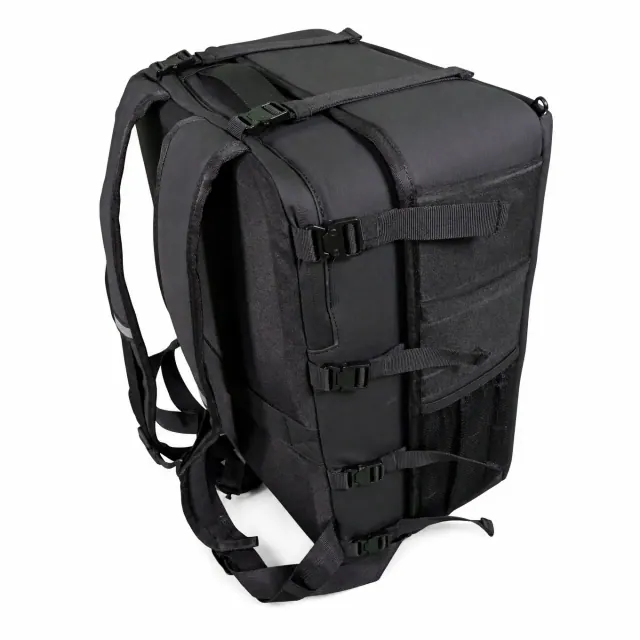
Gate checks are strict and rules change, so check the airline's current policy a few days before departure. If you're still choosing a bag, Ryanwear's compression backpack is sized for the Ryanair allowance, but any bag that slides into the sizer will do.
An October week in Malta needs a few specific things:
- Two swimsuits. One dries on the balcony while you wear the other, so you never pack damp swimwear on the last morning.
- Grippy sandals or water shoes. Much of Malta's best swimming happens off flat rock shelves and metal ladders rather than sand: St Peter's Pool near Marsaxlokk, or the rocks along the Sliema seafront. Wear your walking shoes on the plane and pack only the sandals.
- A thin towel. Rock swim spots rarely rent sunbeds, and a quick-drying towel takes a fraction of the space of a beach towel.
- One church-ready outfit. St John's Co-Cathedral in Valletta asks visitors to cover shoulders and knees. It also bans stiletto heels because they damage the marble tombstones that pave its floor. A light shirt with long trousers or a midi skirt covers you there and at dinner.
- A light knit and a rain shell. Harbour evenings and ferry decks get breezy, and October showers arrive with little warning.
- A Type G adapter. Malta uses the British-style three-pin plug at 230 V, and continental Europeans forget the adapter more often than anything else.
The rest is standard one-bag maths: four or five tops, two bottoms, shorts or a dress, and underwear and socks for the week. Halve the underwear and socks if you wash in the sink midway. For sunscreen, decant into 100 ml containers or buy a full-size bottle at a Maltese pharmacy on arrival. Either beats paying for a hold bag.
Getting Around Without a Car
Malta International Airport sits at Luqa, a few kilometres south of Valletta. Express buses link it to the main bases: the X4 to Valletta and the X1 towards Ċirkewwa for the Gozo ferry, plus express routes to Sliema, St Julian's and Buġibba. These buses fill up with suitcases, and a backpack between your feet is the easiest bag on board.
Single tickets bought on board are valid for two hours including changes, and multi-day and multi-journey cards suit longer stays. Compare current fares on Malta Public Transport before buying. Buses are cheap but slow on Malta's congested roads, so allow more time than the map suggests.
Ferries are often faster and always prettier:
- Valletta–Sliema: a short hop across Marsamxett Harbour, quicker than taking the bus round the creek.
- Valletta–Three Cities: straight across the Grand Harbour to Birgu, Senglea and Cospicua.
- Ċirkewwa–Gozo: the Gozo Channel ferry takes about 25 minutes to Mġarr, and foot passengers pay only on the return crossing. A fast ferry also runs from Valletta straight to Mġarr in around 45 minutes.
Valletta sits on a ridge, and many of its cross-streets are flights of steps. That's no problem with a backpack, but a wheeled case has to be carried.
Where to Base Yourself
| Base | Good for | Trade-off |
|---|---|---|
| Valletta | History, ferries, evening atmosphere | Pricier rooms, quiet late at night |
| Sliema / St Julian's | Rock swimming, seafront walks, nightlife | Busy, built-up, heavy traffic |
| Buġibba / St Paul's Bay | Cheaper rooms, north-coast beaches, Gozo ferry | Less character, long rides to Valletta |
| Gozo | Slower pace, farmhouse stays, Ramla Bay | Ferry needed for Malta's sights |
A split stay suits one-bag travel: four nights on Malta and three on Gozo, with the ferry as your transfer. Packing up takes ten minutes when everything lives in one bag. Budget for Malta's eco-contribution too: €0.50 per adult per night, capped at €5 per stay, normally collected by your accommodation.
How to Fill the Week
Valletta and the Grand Harbour
The Knights of St John built Valletta after the Great Siege of 1565, and the whole city is a UNESCO World Heritage Site. The oratory of St John's Co-Cathedral holds Caravaggio's Beheading of Saint John the Baptist, his largest painting and the only one he signed. The Saluting Battery below the Upper Barrakka Gardens fires at noon and 4pm daily, and the view across to the Three Cities is free. Take the ferry over afterwards and walk Birgu's lanes up to Fort St Angelo.
Mdina, Rabat and the Cliffs
Mdina, the walled former capital, is best early in the day, before the tour groups arrive. Next door in Rabat, St Paul's Catacombs run deep beneath the town. Finish at Dingli Cliffs for sunset, where the land rises to around 250 metres above the sea.
The South: Marsaxlokk and the Hypogeum
On Sundays, Marsaxlokk's market fills the waterfront with fish stalls, beside a harbour of brightly painted luzzu boats. Walk out along the Delimara peninsula to St Peter's Pool for a swim off the rocks. In nearby Paola, the Ħal Saflieni Hypogeum is an underground prehistoric burial complex more than 5,000 years old. Visits are limited to small groups and tickets often sell out weeks ahead, so book before you fly.
Gozo
Gozo is greener and slower than Malta. The Ġgantija temples are among the oldest free-standing structures on Earth, older than Stonehenge and the Egyptian pyramids. Climb the Cittadella in Victoria for the view and swim at Ramla Bay, where the sand is red-orange. Then visit Dwejra, where the Azure Window stood until it collapsed into the sea in 2017. The Inland Sea and the cliffs still make the bus ride worthwhile.
Eating Well for Less
- Pastizzi: flaky pastry filled with ricotta or mushy peas, sold hot from pastizzerias and rarely more than a euro or so each.
- Ftira: a flattened sourdough bread that went on UNESCO's intangible heritage list in 2020. Filled with tuna, tomato, capers and olives, it's a full lunch.
- Lampuki pie: the in-season fish baked in pastry with greens, olives and capers.
- Stuffat tal-fenek: slow-cooked rabbit stew, often called the national dish and worth one proper sit-down dinner.
Wash it down with Kinnie, the bittersweet orange soft drink, or a local Cisk lager. Tap water is safe to drink, but much of it is desalinated and plenty of visitors dislike the taste. Large supermarket bottles cost far less than small ones from kiosks.
The Small Print
- English is an official language alongside Maltese, and the currency is the euro.
- Traffic drives on the left, so look right first when you cross.
- Opening hours and event dates change in the shoulder season, so check Visit Malta before planning around them.
Pack light, swim every morning and let the island's small size do the rest. In October, Malta gives you the last proper week of summer for the price of a seat and the bag under it.
Fly light. Pay zero baggage fees.
Pack more, pay zero luggage fees.